
Bitcoin Casinos in Germany 2026: How Cryptocurrency is Transforming Online Gambling and What Players Need to Know Before Depositing
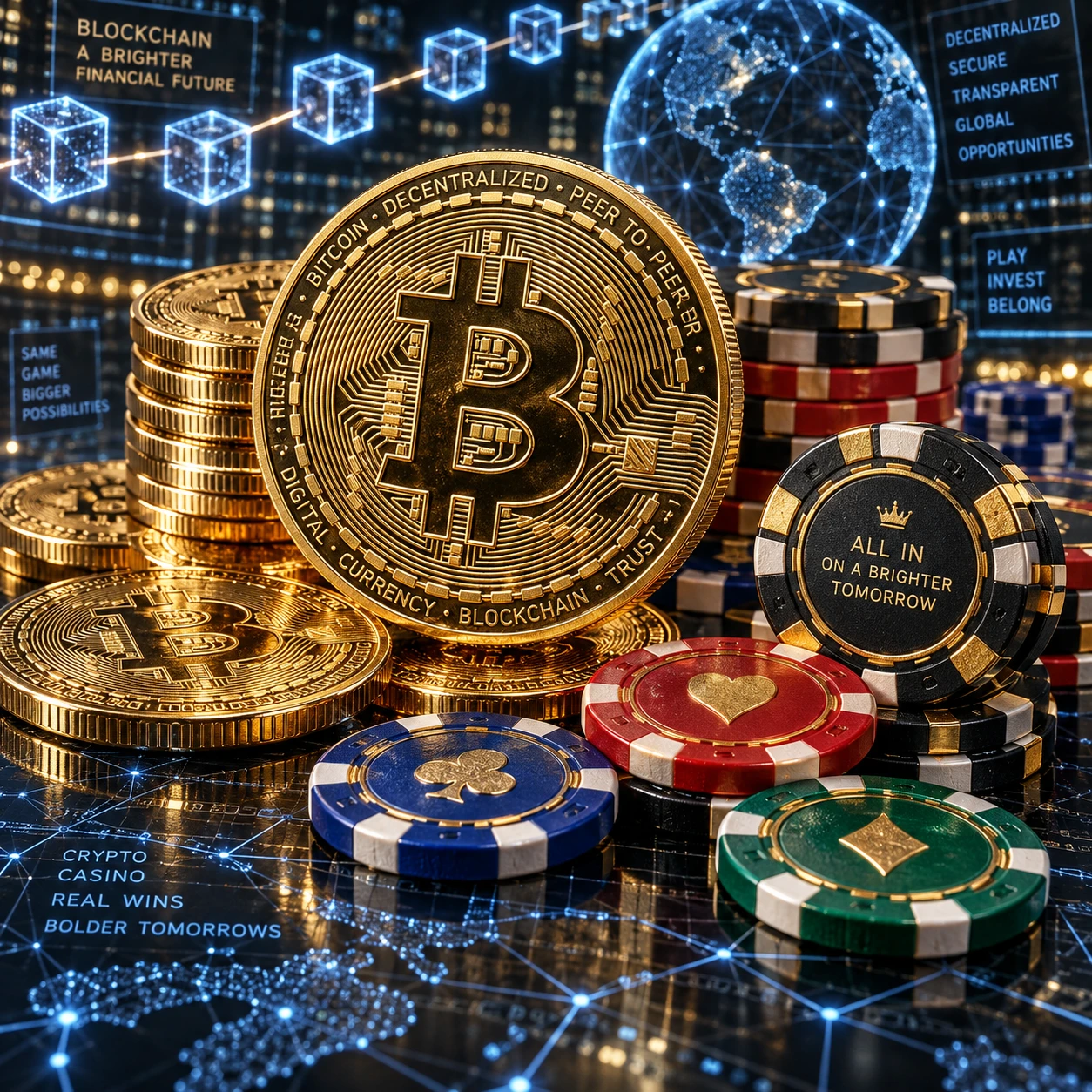
I've spent most of this year talking to German players, digging through forum threads, and testing deposit flows myself — and one thing's pretty obvious by now: crypto gambling stopped being a niche curiosity a while back. It's a habit now. Walk into any German-focused gambling community online and you'll see Bitcoin mentioned almost as often as PayPal used to be, which honestly says a lot about where things are heading.
Part of this shift comes down to speed and privacy. But part of it's also a reaction to Germany's regulatory landscape under the Interstate Treaty on Gambling (GlüStV 2021) and its later amendments, which tightened rules around deposit limits, advertising, and licensing for traditional operators. Plenty of players, frustrated by monthly deposit caps and slower withdrawal processes at licensed sites, just started looking elsewhere. And cryptocurrency was right there, offering an obvious alternative.
This article isn't here to tell you crypto gambling is some risk-free paradise — it's not, and anyone who says otherwise is selling something. It's meant to walk you through how Bitcoin casinos actually function, where German law stands on the matter, why so many players are switching, and — this part matters — what red flags should make you close the tab immediately.
What Are Bitcoin Casinos and How Do They Work?
At their core, Bitcoin casinos are online gambling platforms that let you deposit, play, and withdraw using cryptocurrency instead of (or alongside) traditional fiat currency. Behind the scenes, these transactions run on blockchain networks — decentralized public ledgers that record every transfer without needing a bank in the middle. That's basically why crypto withdrawals often clear in minutes rather than the three-to-five business days you'd normally wait for a bank transfer from a conventional German casino.
There's a distinction worth understanding here. Some platforms are crypto-only, meaning Bitcoin or other digital coins are the sole accepted currency. Hybrid casinos, on the other hand, accept both euros and cryptocurrency, letting players switch between the two depending on what they feel like using. For German players still cautious about full crypto exposure, hybrid platforms tend to feel like the gentler entry point — fewer surprises, more flexibility.
Bitcoin vs. Altcoins in Online Gambling
Bitcoin remains the dominant choice. But it's far from the only option out there. Ethereum offers smart contract functionality that some provably fair systems rely on; Litecoin gets praised for faster, cheaper transactions; stablecoins like USDT or USDC appeal to players who want the convenience of crypto without Bitcoin's price swings keeping them up at night. The trade-off is simple, really: Bitcoin brings liquidity and recognition, but its volatility means the value of your deposit — or your winnings — can shift noticeably between the moment you send funds and when you actually sit down to play.
The Legal Landscape for Crypto Gambling in Germany
Germany's gambling framework under the GlüStV doesn't specifically ban cryptocurrency transactions. It also doesn't offer them a clear, dedicated legal pathway — which, if you've spent any time dealing with German regulation, won't surprise you much. Licensed German operators are required to meet strict rules on deposit limits, player protection, and identity verification, and most of them currently stick to conventional payment methods just to stay compliant. That's created something of a gray zone: numerous offshore crypto casinos accept German players without holding a German or even a broader EU license, operating instead under licenses from jurisdictions like Curaçao or Malta.
Licensed vs. Offshore Bitcoin Casinos
This is where due diligence really matters — I can't stress that enough. A German or EU-licensed casino, even one accepting crypto, generally offers stronger legal recourse if something goes wrong. Think dispute resolution bodies, enforced responsible gambling tools, actual regulatory oversight. Offshore platforms can still be legitimate and well-run, sure, but if a dispute arises over a withheld withdrawal or some bonus technicality, your options for recourse get thin fast. I always tell players the same thing: enjoy the flexibility offshore crypto casinos offer, but go in understanding you're accepting more risk in exchange for that freedom.
Why German Players Are Switching to Bitcoin Casinos
The appeal isn't mysterious once you actually look at the numbers. Withdrawal times measured in minutes instead of days. Lower transaction fees compared to card payments or bank wires. A level of privacy that doesn't require handing over your full banking details to every gambling site you try. These are real, tangible benefits — not marketing fluff. Many crypto casinos also run provably fair systems, letting players verify that game outcomes weren't manipulated, which addresses a trust issue that's dogged online gambling for years.
Exclusive crypto bonuses are another draw. Some platforms offer deposit matches specifically for Bitcoin users that outpace standard euro-based promotions by a fair margin. And this growing space isn't limited to the casinos themselves — it extends into broader crypto-based entertainment and payment infrastructure. Platforms like bitcoin casinos reflect how digital currency integration has expanded well beyond simple deposits, becoming part of a wider financial and entertainment network that German players increasingly rely on for speed and flexibility.
How to Choose a Safe and Reliable Bitcoin Casino
Before you ever enter wallet details, run through a mental checklist. Confirm the casino holds a recognized gambling license — Curaçao, Malta, or ideally an EU-recognized authority. Look for provably fair certification on their games, especially slots and table games marketed as crypto-exclusive. Search for independent reviews outside the casino's own marketing pages, because testimonials on-site are rarely objective (shocking, I know). Check withdrawal limits and actual processing times reported by real users, not just whatever figure's advertised on the homepage. And make sure responsible gambling tools — deposit limits, self-exclusion, cooling-off periods — are genuinely available, not just mentioned in passing somewhere in the fine print.
Red Flags to Watch For
- Terms and conditions that are vague, buried, or constantly changing without notice
- No visible KYC/AML verification process, which can signal regulatory shortcuts
- Customer support that's slow, scripted, or simply unreachable
- Bonus offers that sound too generous relative to industry norms, often hiding steep wagering requirements
Step-by-Step Guide to Depositing with Bitcoin
If you're new to this, the process is more approachable than it might seem at first glance. First, set up a crypto wallet — hardware wallets offer the strongest security, though reputable software wallets work fine for smaller amounts. Next, purchase Bitcoin through a German-compliant exchange that handles euro-to-crypto conversion and complies with local KYC regulations. Once you've got Bitcoin sitting in your wallet, copy the casino's deposit address carefully (always, always double-check it) and transfer the funds. Depending on network congestion, confirmation can take anywhere from a few minutes to over an hour, and transaction fees fluctuate based on whatever the blockchain traffic looks like at that exact moment.
Common Mistakes to Avoid When Using Crypto Casinos
The most frequent error I see, over and over, is players ignoring exchange rate fluctuations — depositing when Bitcoin's price is bouncing around and then being surprised an hour later by how much 'less' their balance seems worth. Another common misstep: skipping legitimacy checks entirely because a site looks polished. Appearance says nothing about licensing or payout reliability. Nothing at all, really.
Wagering requirements tied to crypto-specific bonuses tend to run stricter than standard promotions, so reading the fine print matters more than ever here. And finally, basic wallet security — weak passwords, skipping two-factor authentication, storing large amounts on exchange accounts instead of personal wallets — remains one of the easiest ways to lose funds that has absolutely nothing to do with the casino at all. That one's on you, not them.
Bitcoin has genuinely reshaped how German players engage with online gambling in 2026, offering speed, privacy, and a level of innovation that traditional payment rails just can't match right now. But that innovation comes with responsibility attached — it always does. Take the time to verify licensing, read the fine print on bonuses, and treat wallet security as seriously as you would a bank account. Crypto gambling can be an exciting evolution of the industry. Just make sure you're stepping into it with eyes open, not chasing the next flashy bonus and hoping for the best.